

Choosing the right educational approach can feel like one of the biggest parenting decisions you’ll make. Whether you’re new to Spain or navigating options for your child’s first school, understanding the difference between Montessori education and traditional schooling is key to finding the right fit. With more families settling in places like the Costa del Sol—including Mijas and Marbella—interest in alternative learning models is growing. And along with schooling choices comes the need for consistent, personalised childcare support that complements your child’s education.
What is Montessori Education?
The Montessori method, developed by Dr. Maria Montessori, focuses on child-led learning, independence, and respect for natural development. Instead of sitting at desks in rows, children explore environments designed for their size, pace, and interests. Teachers—known as guides—observe more than they instruct, encouraging kids to discover concepts through real-world, hands-on experiences.
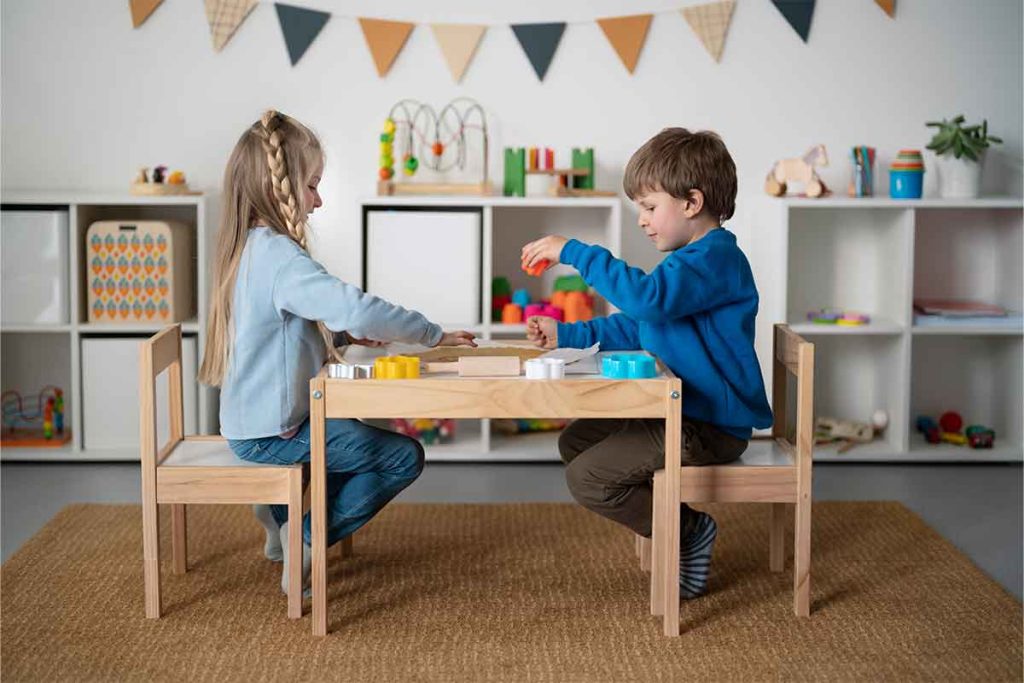
In a Montessori classroom, you’ll find mixed-age groups, open shelves with tactile materials, and lots of quiet focus. The goal? To foster intrinsic motivation, critical thinking, and emotional intelligence—not just academic memorisation. Children often choose their own activities, learning through repetition and self-correction rather than rewards or punishment.
This philosophy doesn’t stop at the classroom door. Many families integrate Montessori principles at home, too—using child-accessible furniture, giving choices throughout the day, and embracing independence in everyday tasks like preparing meals or dressing themselves.
What is Traditional Schooling?
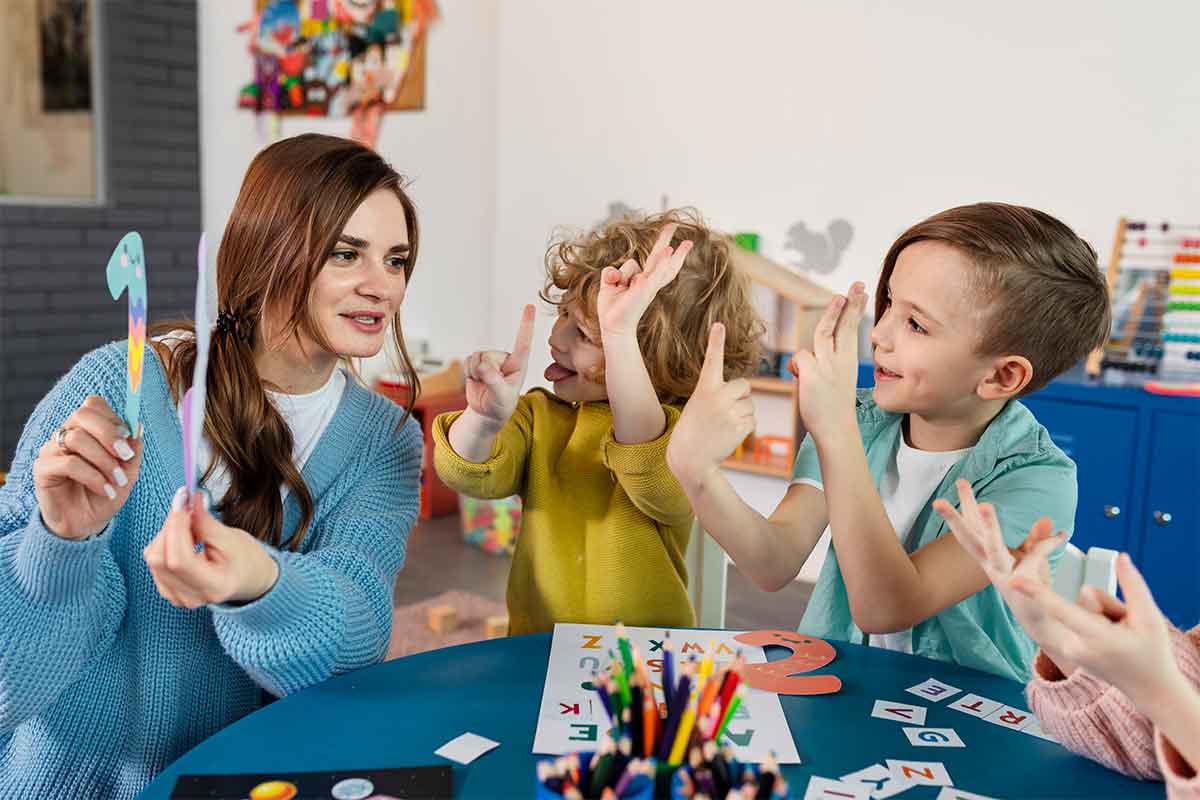
Traditional education, as used in most public and private schools, tends to follow a set curriculum led by a teacher. Students are grouped by age, work at the same pace, and receive regular testing. This model emphasises structure, discipline, and benchmarks—skills that are valued in mainstream education systems.
Classrooms often include textbooks, standardised materials, and daily routines. For many families, this approach offers predictability and aligns with national academic expectations, especially for children who thrive with external motivation and clear rules. Homework and assessments are frequent, and performance is usually tracked by grades and report cards.
One of the advantages of traditional schooling is the consistency of educational outcomes. Children move through levels with a group of peers, building a shared experience and often learning cooperation and competition along the way.
Montessori vs. Traditional: Key Differences
- Learning style: Montessori is hands-on and student-driven; traditional is teacher-led and structured.
- Environment: Montessori promotes free movement and choice; traditional favours routine and fixed seating.
- Assessment: Montessori avoids grades and focuses on observation; traditional relies on tests and grades.
- Curriculum: Montessori adapts to each child’s pace; traditional follows a set syllabus for all.
- Social interaction: Montessori encourages peer teaching through mixed-age groups; traditional separates by age and often emphasizes teacher instruction.
- Independence vs. guidance: Montessori values autonomy; traditional education supports guidance and direction.
Which One Is Right for Your Child?
Here’s where it gets personal. Montessori might be ideal if your child is naturally curious, needs time to focus deeply, or benefits from a quieter, self-paced environment. It’s great for independent thinkers and explorers who enjoy working on long projects or following their own interests without constant adult direction.
On the other hand, traditional schooling could be a better fit if your child thrives on structure, enjoys group work, or needs more guidance and external encouragement. It can also prepare students for standardised testing and university pathways more directly. Some children feel more confident in a setting where expectations are clearly defined and routines are familiar.
How Parents Can Support Both Approaches
No matter which model you choose, support at home plays a huge role. For Montessori families, that might mean creating a calm, orderly home environment and encouraging children to take responsibility for daily tasks. For traditional learners, it could involve helping with homework, setting up structured routines, and discussing school progress regularly.
In both cases, caregivers make a major difference. A professional full-time nanny in Málaga or part-time nanny can extend learning beyond school hours. Whether that’s supporting independence through activities like cooking and cleaning, or assisting with reading practice and school projects, the impact is clear.

Can Childcare Reinforce These Educational Philosophies?
Absolutely. The right nanny doesn’t just provide supervision—they support your values as a parent. For Montessori-leaning families, this might include using real materials, allowing children to solve their own problems, and letting the child take the lead. For traditional-minded families, it could mean offering structured games, academic support, and reinforcing manners or routines.
This consistency between home and school gives children a stronger sense of security and purpose. When they receive similar messages from parents, teachers, and caregivers, they develop more confidence, better self-regulation, and a stronger love for learning—no matter the setting.
Blending Both Worlds
The good news? You don’t have to choose one path forever. Many families in southern Spain combine elements of both systems—selecting a school that suits their core values and complementing it with home routines that reflect the child’s specific needs. You might find your child enjoys a structured school day but benefits from open-ended creative play in the afternoons.
And that’s where services like My Spanish Nanny come in—helping parents customise childcare that doesn’t just cover time, but actually enhances learning and well-being. Whether you’re raising a future scientist, artist, or storyteller, nurturing their potential means creating an environment that makes them feel seen, capable, and supported.
Ultimately, the question isn’t just “Montessori or traditional?” It’s “what kind of support will help my child thrive today—and tomorrow?”