

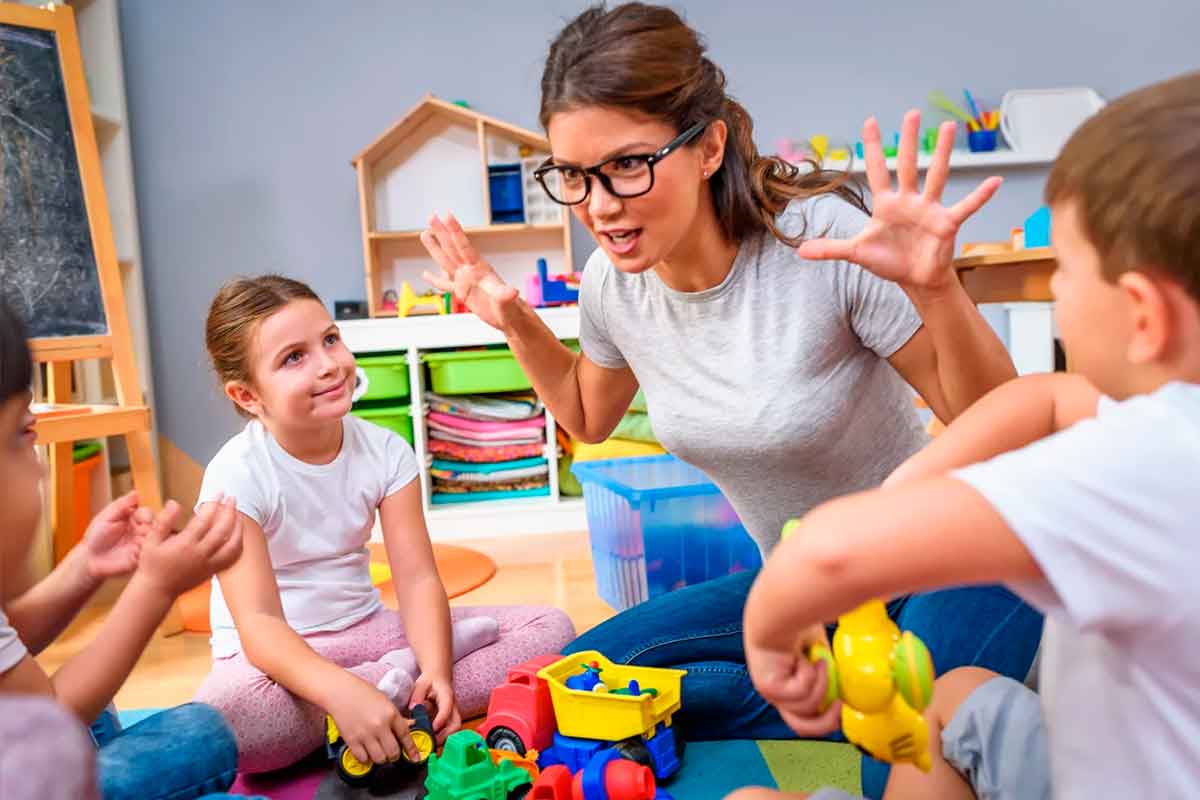
Early childhood is a time of rapid development, exploration, and discovery. In Spain, the value placed on these formative years is increasingly recognised, not just by educators, but also by parents—particularly international families who choose Spain as their home. Understanding the structure and opportunities of early childhood education in Spain can help parents make informed decisions that support their child’s full potential from an early age.
Why Early Childhood Education Matters
Research shows that up to 90% of brain development occurs by the age of five. Early education helps children develop emotional intelligence, language skills, motor coordination, and social abilities that set the tone for lifelong learning. Structured early learning environments provide children with the building blocks they need to thrive.
Additionally, high-quality early education is linked to better performance in primary school, higher graduation rates, and improved well-being later in life. For families who come to Spain for work or holidays, education becomes a tool not only for integration but also for providing stability and continuity in learning, especially when combined with bilingual support at home.
Education System in Spain: A Quick Overview
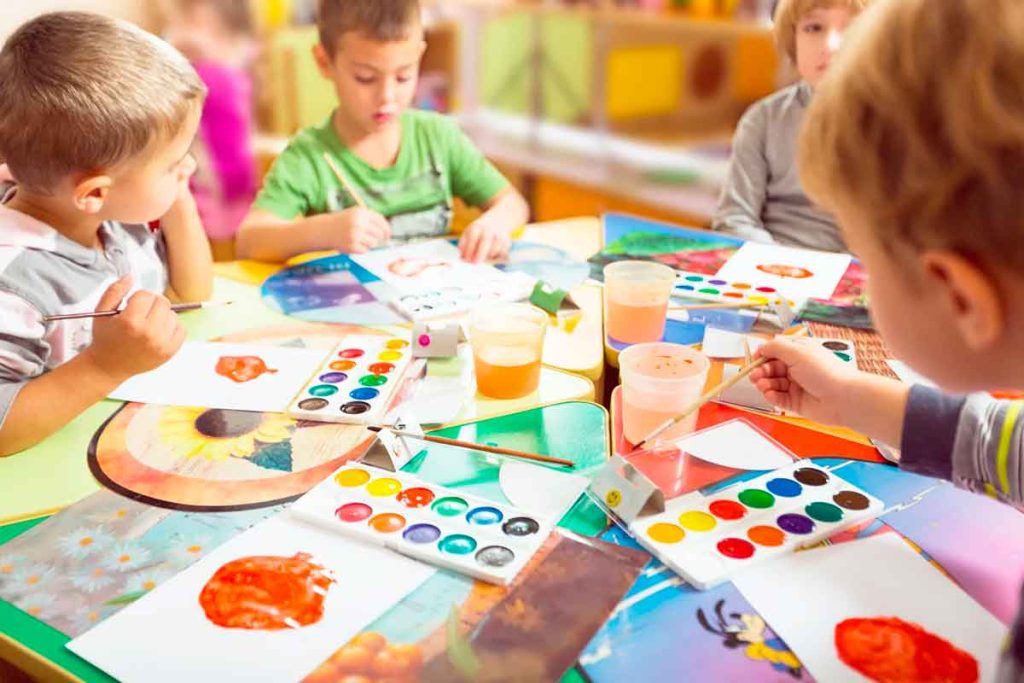
Spain’s education system is divided into distinct stages. Early childhood education (Educación Infantil) is not compulsory, but it’s widely encouraged and divided into:
- 0-3 years: Non-compulsory and mostly private care (nurseries or nannies).
- 3-6 years: Often provided by public or semi-private schools, and free of charge.
Families can choose between public schools, private international schools, and bilingual institutions depending on their needs and location. Urban centres like Madrid, Barcelona, Valencia, and Málaga have a wide variety of options suitable for families seeking education for young children in Spain.
Challenges Faced by Families Moving to Spain
While Spain is a welcoming country for families, relocating with young children poses unique challenges:
- Language barriers: Many parents seek English-speaking nanny in Spain options for consistency and comfort.
- Cultural adaptation: Different educational approaches, meal times, or discipline styles can feel unfamiliar.
- Access to quality childcare: Trust and qualification are essential when hiring support staff or selecting schools.
This is where guidance and personalised services become essential. A tailored childcare solution allows families to feel secure in their decisions, especially when the focus is on childcare services in Spain that combine professionalism with early learning.
The Role of Nannies and Educators in Early Learning
Not all childcare is created equal. There’s a significant difference between a babysitter and a qualified nanny trained in early years education. A professional nanny supports a child’s development through play-based learning, structured activities, emotional support, and routine establishment.
Nannies who speak English fluently and understand early education principles bring immense value to families who come to Spain for work or vacation and are looking for continuity and educational stimulation at home. Nannies for early education in Spain play a key role in supporting both academic foundations and emotional well-being in children.
Educational Philosophies: Montessori and Beyond
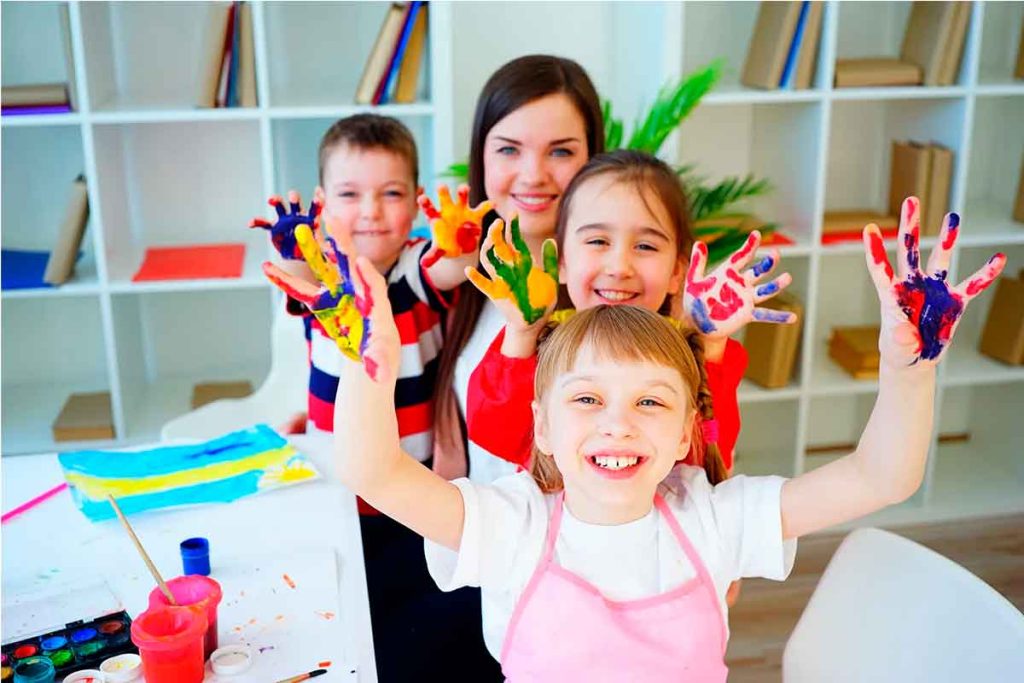
Among the most popular approaches in Spain is the Montessori early years in Spain model, which focuses on child-led learning, independence, and sensory exploration. Other methods, like Reggio Emilia or Waldorf, are also growing in presence across preschools and private education services.
For parents exploring educational paths for toddlers, these methodologies can be reinforced through home-based care with experienced educators or trained nannies who apply the same learning principles in day-to-day activities.
Support Tailored to Your Family’s Needs
Finding a trusted partner to help you navigate the complexities of raising a child abroad can make all the difference. That’s why many families turn to dedicated agencies offering bilingual nanny services in Málaga to ensure children are supported emotionally and cognitively while immersed in a nurturing bilingual environment.
Understanding Preschool Age in Spain
The preschool age in Spain is structured around specific learning stages. Children typically begin group learning settings between ages 3 and 6, though many families start sooner with in-home education support. The earlier a child begins to socialise and learn routines, the more adaptable and confident they become in group learning settings.
For families who vienen a España por motivos de trabajo o vacaciones, this early stage can be a deciding factor in how well the child adjusts to Spanish culture and language immersion. This is why many parents seek bilingual or English-speaking caregivers during the transition.
Key Takeaways for Parents Considering Early Education in Spain
If you’re raising a child in Spain, the early years are the ideal time to invest in their learning. Here are some final tips:
- Start early: Introduce routine and language skills from as young as possible.
- Look for training: Ensure nannies or educators are qualified and experienced.
- Encourage bilingualism: Children naturally acquire multiple languages when supported early.
- Trust professionals: Let expert nannies guide development while you focus on settling in as a family.
Choosing early childhood education in Spain means creating a solid foundation for your child’s happiness, confidence, and success—not just in school, but in life. With the right support, especially from experienced nannies and educators, the journey can be both fulfilling and joyful for the whole family.